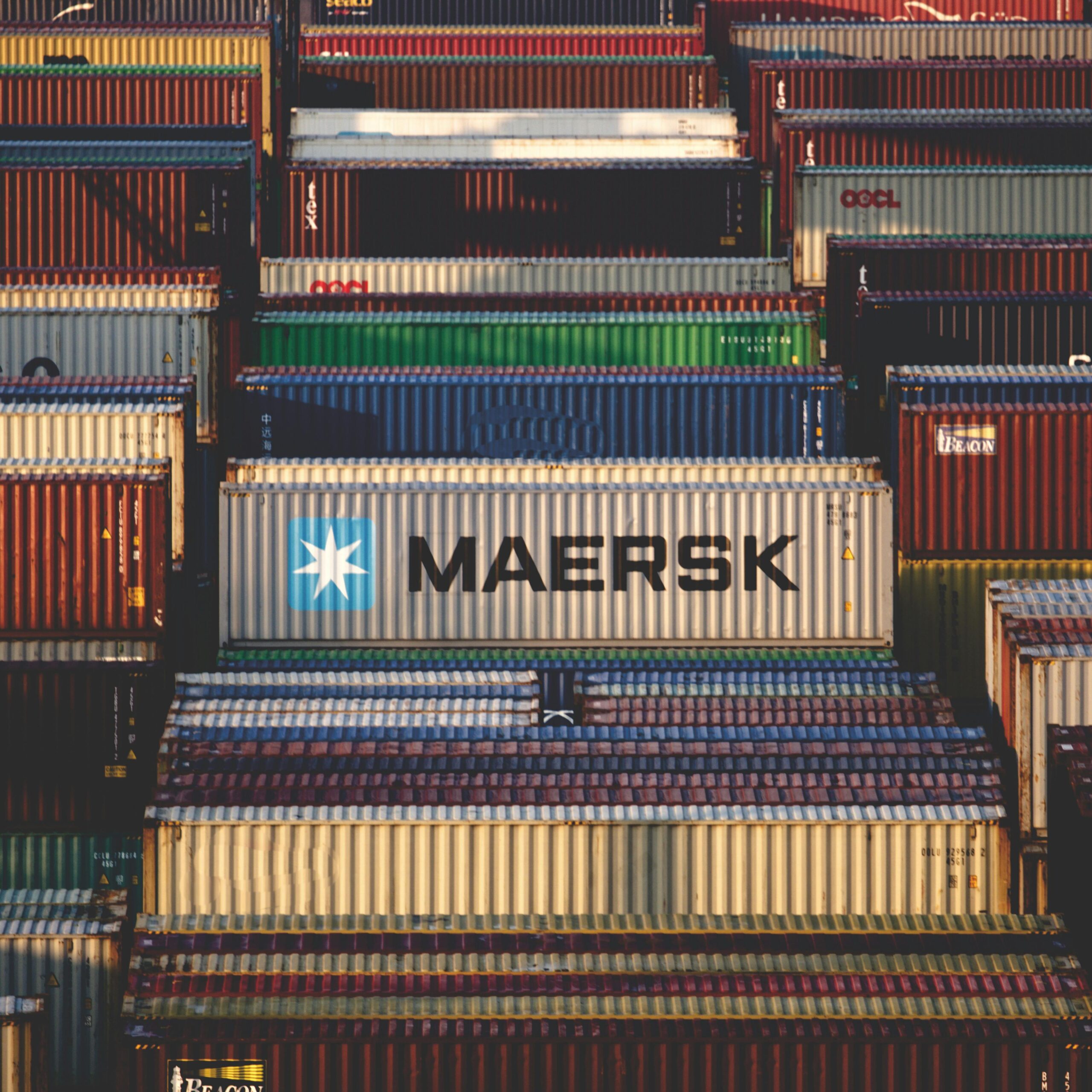
Every international shipment carries risk. A wrong tariff code, an undervalued invoice, or an unscreened customer can turn a routine transaction into a held shipment, a retrospective duty bill, or a penalty that reaches into the hundreds of thousands. As enforcement tightens worldwide, trade risk management has moved from a back-office task to a board-level concern.
This is a short guide to what trade risk management involves and how to approach it.
What Trade Risk Management Means
Trade risk management is the practice of identifying, controlling, and monitoring the things that can go wrong when goods cross borders. It spans the full lifecycle of a transaction, classification, valuation, country of origin, documentation, and screening and aims to catch problems before they reach customs rather than after.
The goal isn’t to eliminate trade activity; it’s to reduce the variability that creates exposure. Consistent, well-documented processes are what separate a smooth operation from one that lurches between delays and disputes.
The Four Types of Trade Risk
When something goes wrong in cross-border trade, the damage tends to fall into one of four categories:
Where These Risks Come From
Those four risk types nearly always trace back to the same handful of operational areas:
Why It Matters More Now
Enforcement has intensified sharply. Customs authorities are investing heavily in AI-driven targeting to flag undervaluation, misclassification, and transshipment, and they’re coordinating across agencies to pursue cases. Penalties are significant, and in some jurisdictions the previous caps on certain violations have been removed entirely.
The practical consequence is that a pattern of small errors no longer stays small. It compounds across every shipment and can escalate from a routine query into a focused assessment or formal penalty.
Building a Sensible Approach
You don’t need a vast compliance department to manage trade risk well. The fundamentals are consistent:
Turning Risk Into Confidence
Done well, trade risk management isn’t a brake on your busines it’s what lets you expand confidently, protect your margins, and keep goods moving without nasty surprises at the border.
The businesses that treat it as core infrastructure, rather than an afterthought, are the ones that trade with the least friction.
Axxine helps businesses identify trade risk, build reliable compliance processes, and stay audit-ready as they grow. Book a consultation to review where your exposure sits.
